
Among the various certifications that cater to dietary preferences and ethical standards, Halal certification stands out as a mark of quality. At Salsa Taqueria & Wings, it is the foundation of everything we serve. But what does this certification really mean, and how does it ensure a better dining experience? Let's dive in.
Understanding Halal Certification
Halal, which translates to "permissible" in Arabic, is a set of guidelines derived from Islamic law that governs various aspects of life, including food production and consumption. Halal certification ensures that food products and processes meet these standards. For a restaurant, becoming Halal-certified involves a rigorous assessment of its ingredients, preparation methods, and overall operations to ensure compliance with Halal principles.
Quality Assurance Through Halal Standards
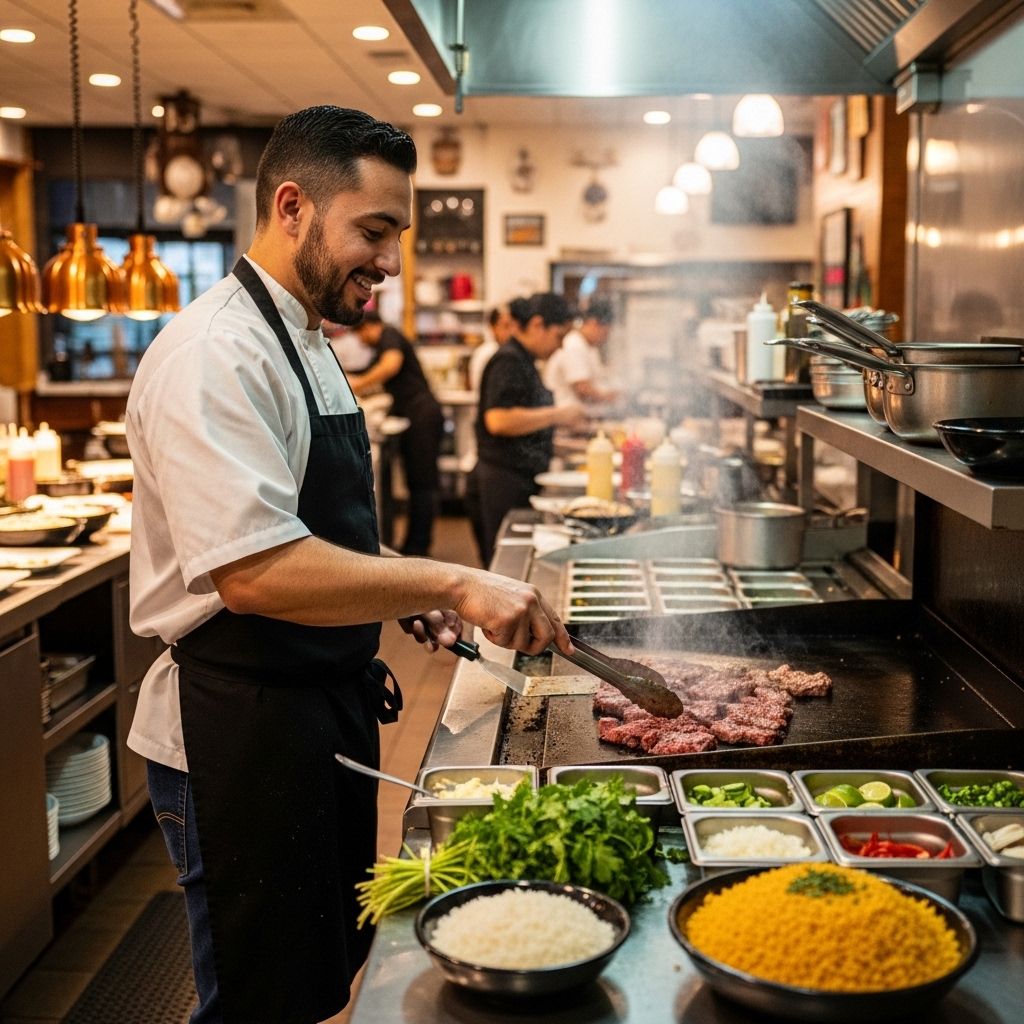
One of the primary ways Halal certification ensures quality is through its strict requirements for ingredients. Halal standards prohibit the use of certain ingredients, such as pork, alcohol, and products derived from non-Halal slaughtered animals. This restriction ensures that only high-quality, permissible ingredients are used in food preparation. Halal certification also mandates stringent hygiene and sanitation practices throughout the entire food handling process, from sourcing to serving. These practices minimize the risk of contamination and ensure that food is prepared in a clean and safe environment. Regular audits and inspections are conducted to verify ongoing compliance with Halal standards, providing consumers with confidence in the quality and safety of the food they consume.

Ethical Dining: Halal and Animal Welfare
Beyond quality assurance, Halal certification also promotes ethical dining practices, particularly concerning animal welfare. Halal slaughtering practices, known as Zabiha, emphasize minimizing animal suffering. Animals must be treated with respect and compassion throughout the slaughtering process, ensuring a quick and painless death. Halal certification requires transparency and traceability in the supply chain, allowing consumers to trace the origin of their food and verify its compliance with Halal standards. This transparency promotes accountability and ethical sourcing practices, giving diners peace of mind knowing that their food has been produced in accordance with ethical principles.

Halal in a Diverse Culinary Landscape
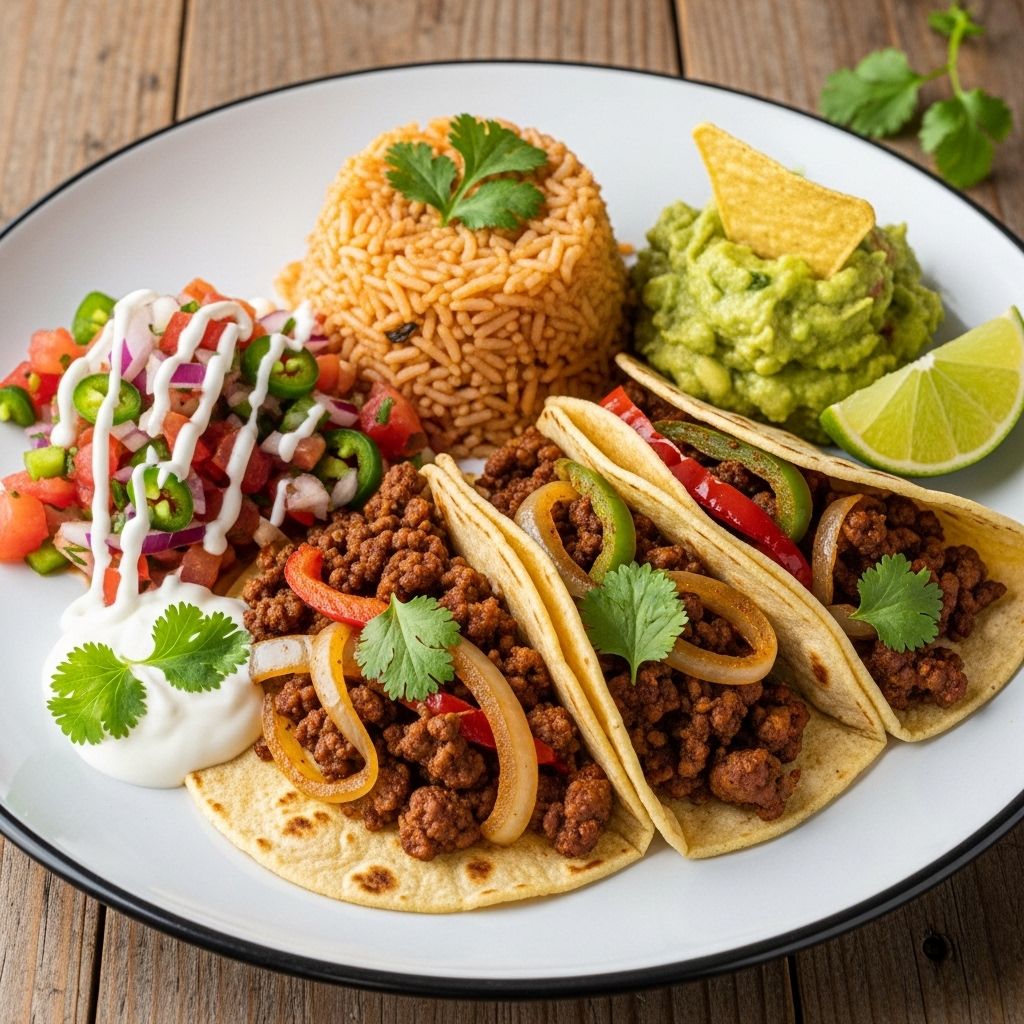
Halal certification isn't limited to traditional Middle Eastern or Asian cuisines; it extends to various culinary traditions worldwide. Whether you're craving Mexican, American, or any other type of cuisine, you can find Halal-certified establishments that cater to your preferences. For instance, at Salsa Taqueria & Wings, we understand the importance of offering Halal options that don't compromise on flavor or authenticity. We are dedicated to providing the vibrant, traditional flavors of Mexican street food while strictly adhering to Halal dietary standards. Our Halal-certified menu allows a diverse community to have ethical, clean, and dietary-compliant dining options without sacrificing traditional flavors.
Halal certification ensures quality by setting high standards for ingredients, hygiene, and sanitation. It promotes ethical dining by emphasizing animal welfare and transparency in the supply chain. As a result, consumers can enjoy their meals with confidence, knowing that their food is not only delicious but also ethically and responsibly sourced. Craving authentic Mexican flavors that align with your values? Explore our menu and discover the difference that Halal certification makes at Salsa Taqueria & Wings, your premier taco restaurant in Atlanta. Visit us today and taste the authenticity!