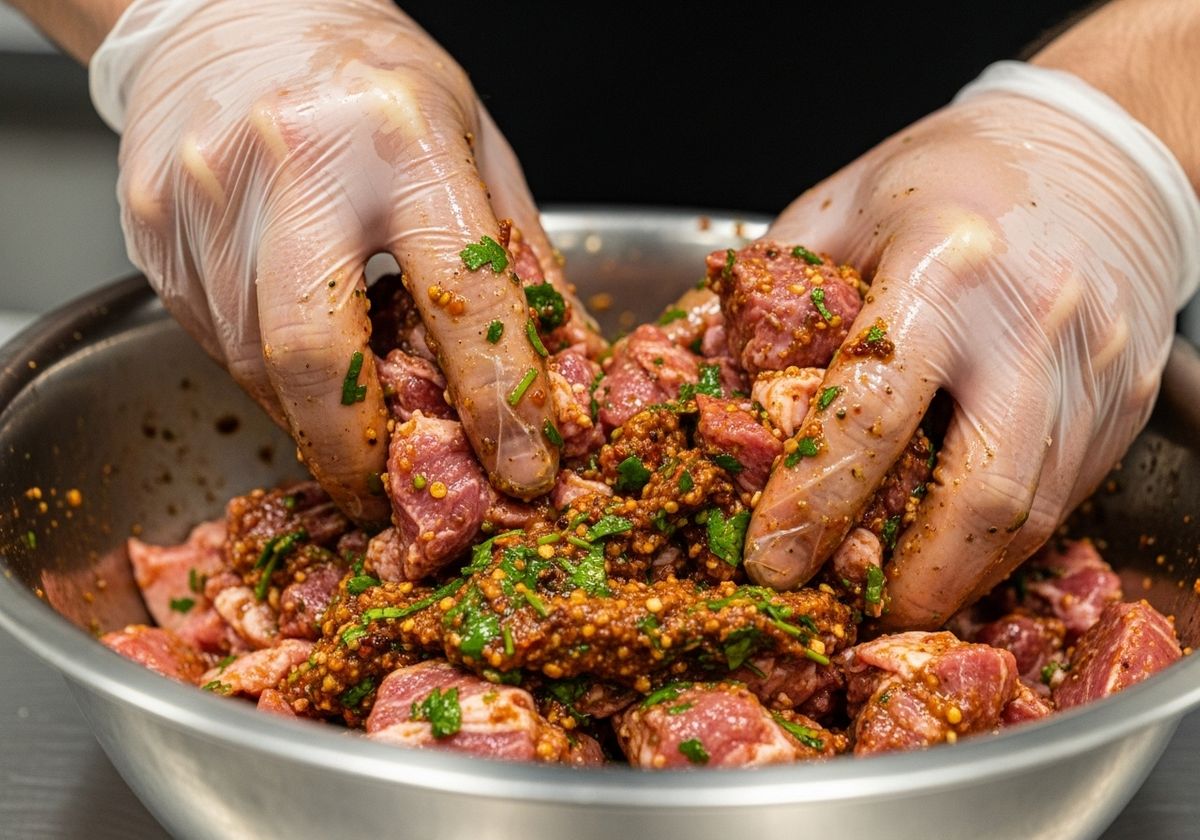
Switching to halal meats can bring numerous benefits, aligning with ethical and dietary preferences. However, it also necessitates a closer look at your marinades. The change in meat composition and the absence of certain ingredients require adjustments to ensure your dishes remain flavorful and tender. Let's explore how marinades need to evolve when you embrace halal meats, ensuring your Mexican meals are always delicious.
Understanding Halal Meat and Its Impact on Marinades
Halal meat undergoes a specific preparation process that affects its texture and moisture content. Compared to conventionally processed meats, halal meat may react differently to acidic or enzymatic marinades. This difference arises from variations in pH levels and muscle fiber structure. Therefore, it's crucial to understand these changes to optimize your marinade recipes.
Adjusting Acid Levels
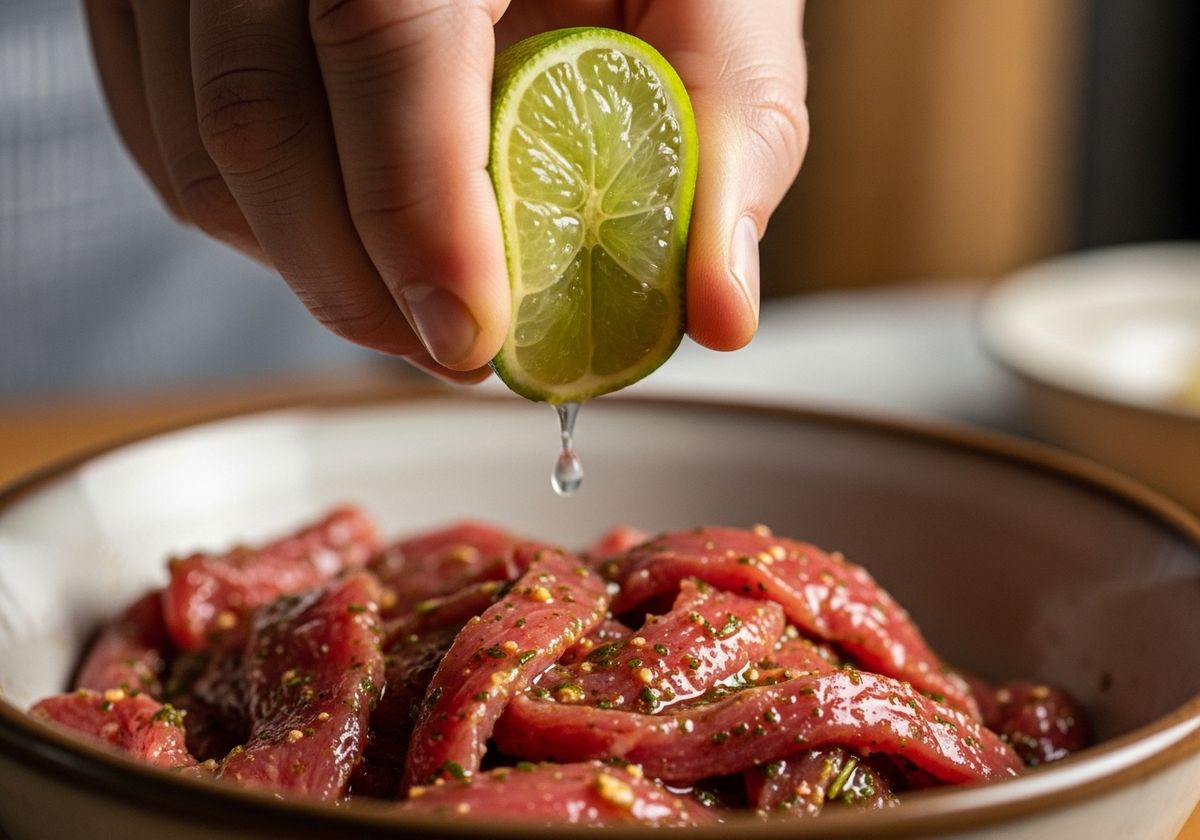
Acids like vinegar, citrus juice, and yogurt are common marinade ingredients that tenderize meat and infuse flavor. However, excessive acidity can toughen halal meat, especially if it's leaner. It's advisable to reduce the proportion of acidic components in your marinades and balance them with other ingredients like oil and herbs. A milder approach ensures the meat remains tender and juicy.
Incorporating Enzymatic Tenderizers
Enzymatic tenderizers, such as those found in pineapple or papaya, break down proteins and enhance tenderness. While effective, they can sometimes make halal meat too soft if used in high concentrations or for extended periods. Moderation is key. Shorter marinating times or lower concentrations can provide the desired tenderness without compromising the meat's texture.
Balancing Flavors
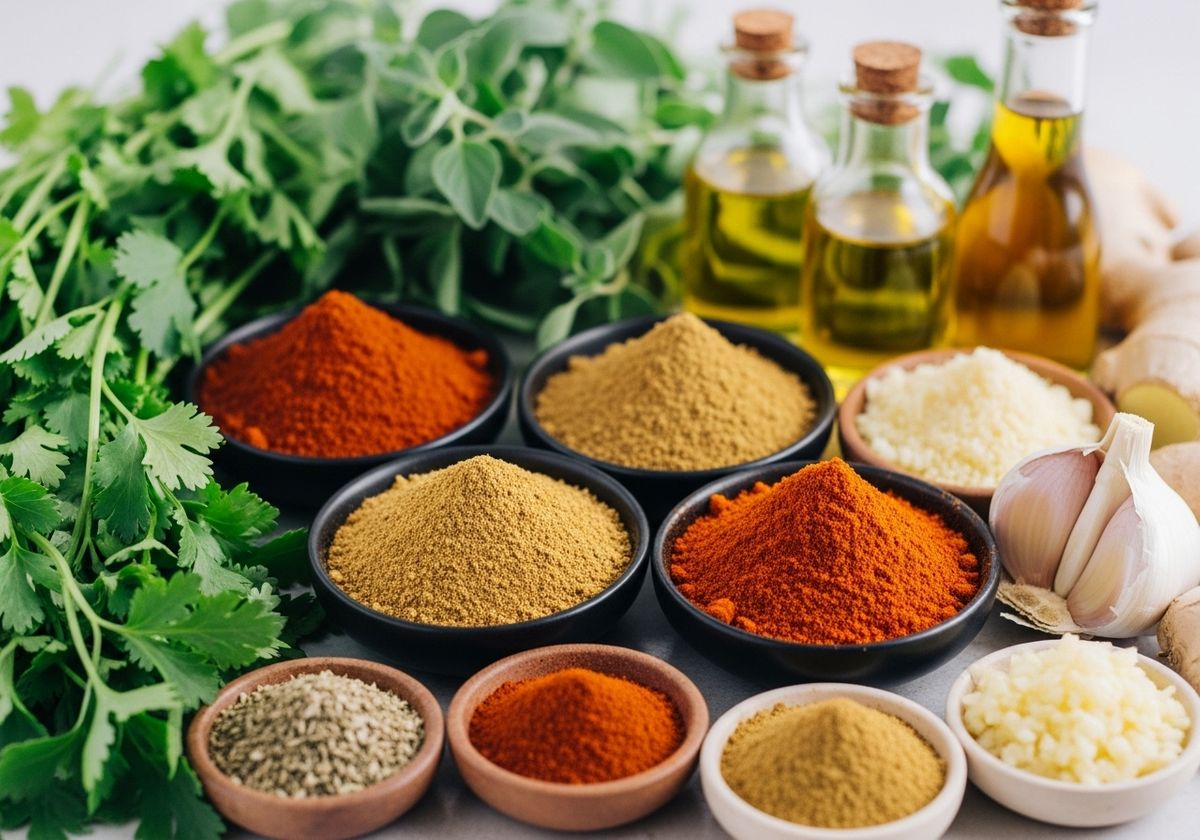
When adjusting marinades for halal meats, it's essential to balance flavors to compensate for any reduction in acidity or enzymatic activity. Herbs, spices, and aromatic oils can play a significant role in enhancing the taste. Experiment with combinations like garlic, ginger, cumin, coriander, and smoked paprika to add depth and complexity to your Mexican catering.
The Role of Oils
Oils not only help distribute flavors evenly but also create a protective barrier that prevents the meat from drying out during cooking. When marinating halal meats, ensure your marinade contains a sufficient amount of oil to maintain moisture. Olive oil, avocado oil, and sesame oil are excellent choices that complement various flavor profiles.
Considering Specific Cuts
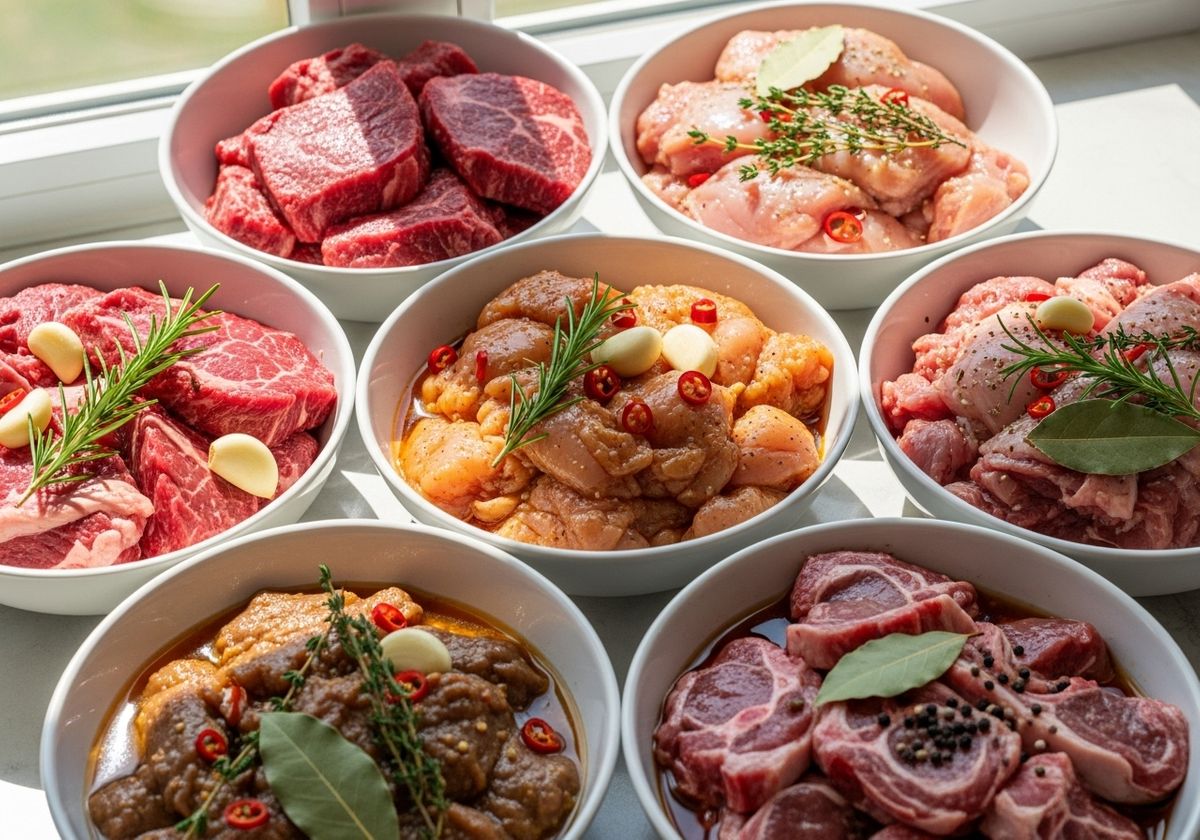
Different cuts of meat require different marinating approaches. Tougher cuts benefit from longer marinating times and stronger tenderizing agents, while more delicate cuts need gentler treatment. Adjust your marinades based on the specific cut you're using to achieve optimal results. For example, tougher cuts used in tacos can benefit from longer tenderization, whereas chicken might require a shorter time.
Ensuring Halal Compliance
When preparing halal meat, it's essential to ensure all ingredients and processes comply with halal standards. This includes using halal meat and avoiding cross-contamination with non-halal products. Be mindful of the sourcing and certification of your ingredients to maintain the integrity of your halal dishes.
Switching to halal meats requires adjustments to your marinades, but with the right approach, you can create flavorful, tender, and compliant dishes. Balancing acidity, incorporating enzymatic tenderizers thoughtfully, and using a variety of herbs, spices, and oils will enhance your culinary creations. At Salsa Taqueria & Wings, we understand the importance of quality and flavor. Visit our website to explore our menu and learn more about our commitment to providing delicious and authentic meals. Contact us today for more information!